



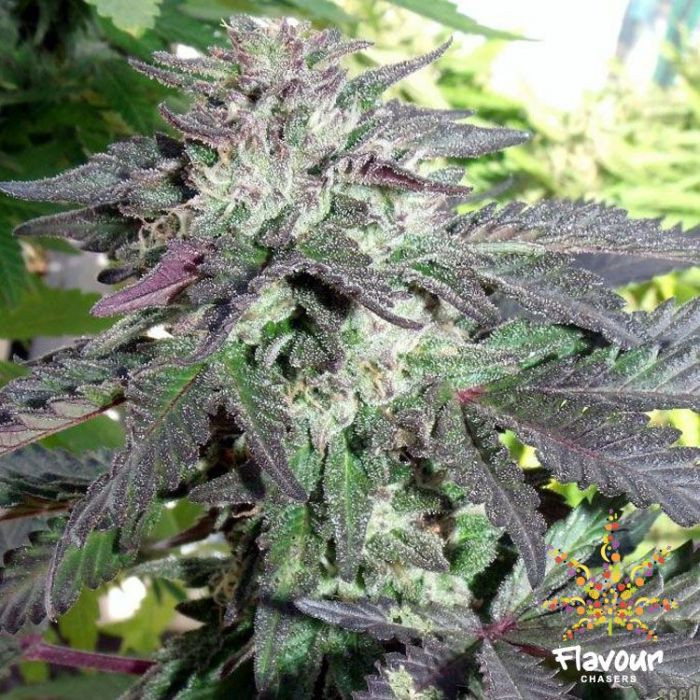
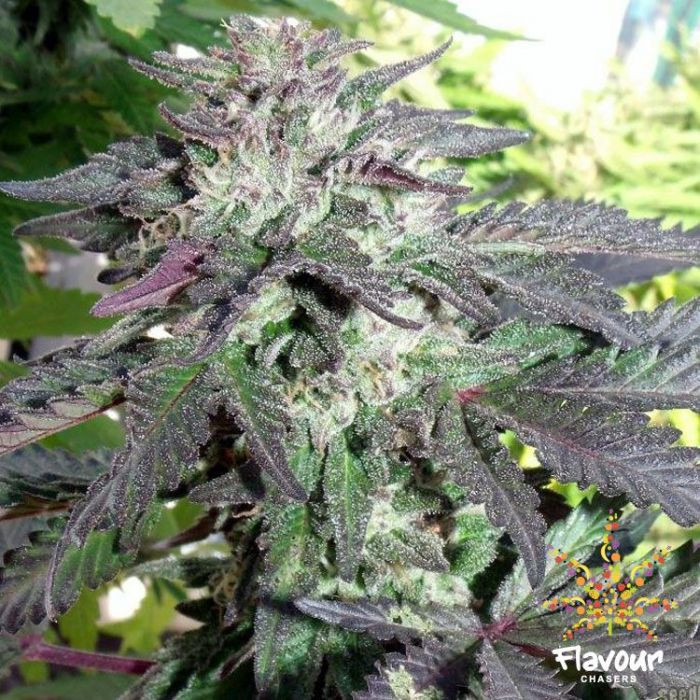
Cherry Pie


Awards & recognition
- 3d place -
- Best Medical Sativa – 2014 – Denver High Times Cannabis Cup
Cherry pie (photoperiod indica-leaning hybrid from granddaddy purple x durban poison)
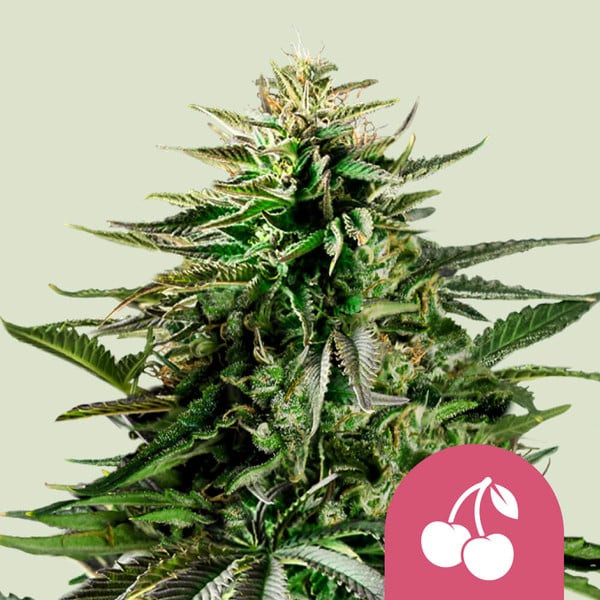
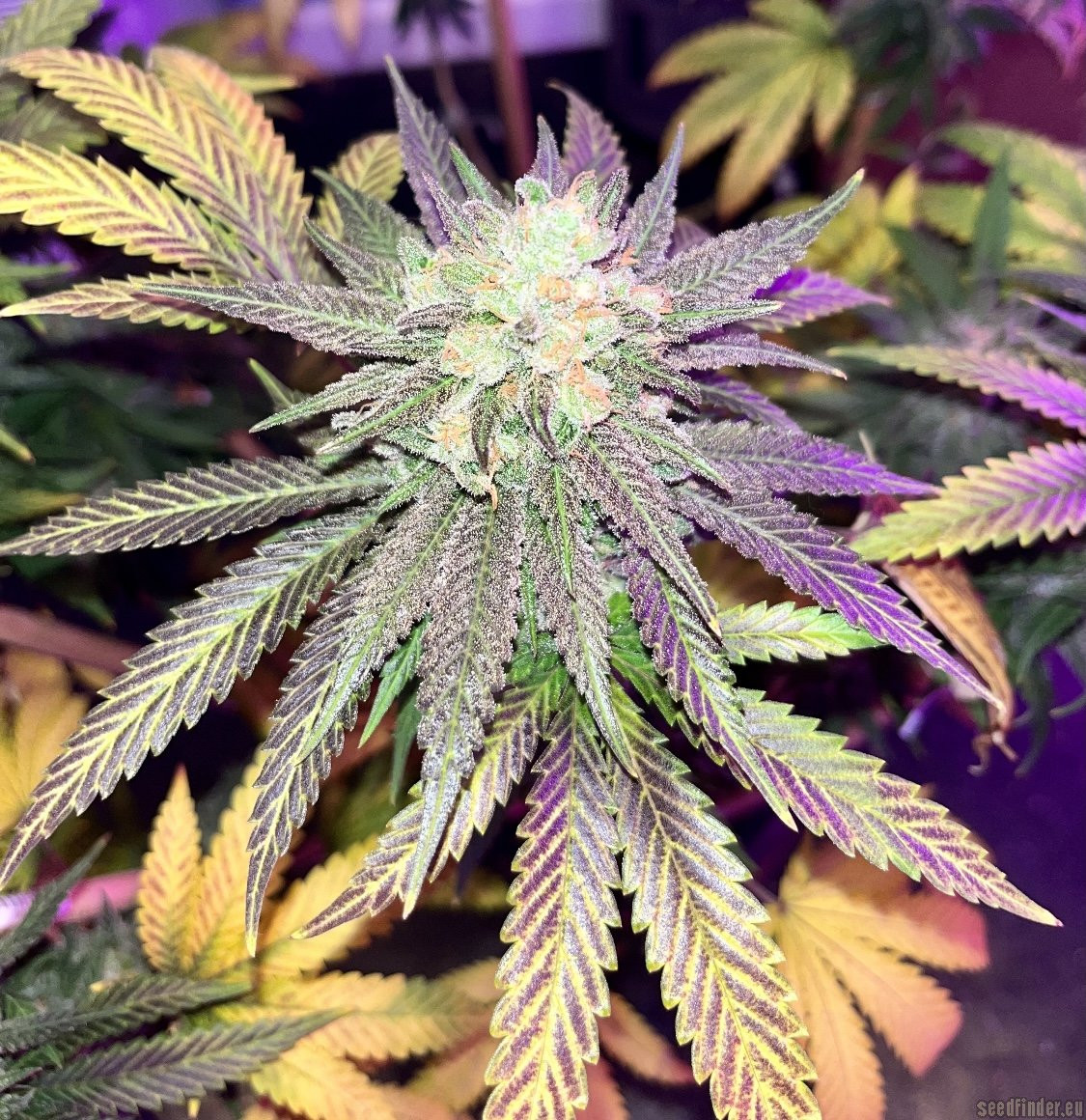
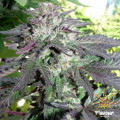
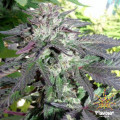
Cherry Pie is a photoperiod hybrid bred from Granddaddy Purple and Durban Poison, with a 60% indica / 40% sativa balance. Potency sits around 20% THC, while CBD is low. The profile leans spicy and berry-forward with notes of vanilla and cherry, and the overall effect is relaxing, cerebral, and balanced.
On paper, that mix points to a strain that can feel calm without being overly heavy, especially at moderate doses. Flowering time runs 8–9 weeks and it’s generally considered easy to grow, making it a practical option for growers who want a straightforward photoperiod cycle without an extended wait.
Genetic background of cherry pie:

Cherry Pie combines two well-known lineages: Granddaddy Purple on one side and Durban Poison on the other. The indica-leaning 60/40 split often suggests a body-led unwind with enough lift to keep the experience from turning purely sedating, though the exact balance can shift with phenotype and how it’s grown.
Granddaddy purple:
Granddaddy Purple is commonly associated with deeper, dessert-like fruit notes and a more mellow, evening-leaning character. In grow terms, it’s often thought of as manageable in size and structure, with plants that respond well to basic training and a steady environment.
Durban poison:
Durban Poison is typically linked with a brighter, more energetic edge and a sharper spice to the aroma. It’s also widely seen as a parent that can bring a bit more stretch and a clearer-headed finish, which can help explain Cherry Pie’s cerebral side.
Aroma and flavour of cherry pie:

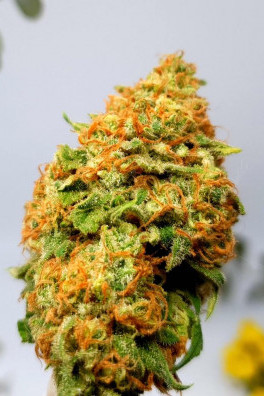
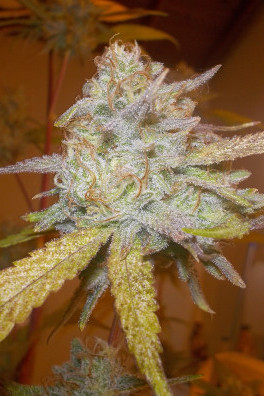
Cherry Pie’s aroma and flavour sit firmly in the spicy-fruit lane: berry and cherry sweetness up front, backed by vanilla and a warm, peppery edge. With main terpenes unknown, it’s best to treat the exact aromatic driver as variable; in practice, drying and curing quality tend to decide whether the profile comes across more pastry-sweet or more spice-forward.
Potency and effects of cherry pie:

At around 20% THC, Cherry Pie lands in a potency bracket that many consumers will find strong, especially if they’re newer or have a lower tolerance. CBD is low, so it reads primarily as a THC-led strain rather than a CBD-forward one. The typical effect profile is relaxing and balanced, with a cerebral layer that can feel uplifting at first before settling into a calmer rhythm.
Recreational uses:
- It often suits low-key social plans where you want to stay present, but still feel noticeably relaxed.
- It can fit creative or screen-based evenings when a gentle mental lift is welcome without a sharp, racy edge.
- It’s a sensible pick for winding down after work, particularly if you prefer balanced effects over a purely heavy finish.
Potential side effects:
- Dry mouth and dry eyes are common, especially with larger doses.
- Dizziness can crop up for some people if they overdo it.
- Anxious or restless moments are possible in sensitive users, particularly with high-THC strains.
Growing cherry pie:

Cherry Pie is generally classed as easy, with an 8–9 week flowering window that suits growers who like a predictable turnaround. Indoors, plants typically reach around 120cm and can produce up to 450 g/m² under solid lighting and consistent fundamentals. Outdoors, height can push to around 180cm with yields up to 500 g/plant, where the biggest swing usually comes from sun exposure, root space, and how well airflow is managed through the canopy.
Indoor growing tips:
With a typical indoor height of 120cm, Cherry Pie tends to be straightforward to contain in tents, especially with topping and low-stress training to level out the canopy. Keep conditions stable through the 8–9 week flowering phase, prioritising strong light intensity, clean airflow, and a sensible defoliation approach so buds develop evenly rather than shading out lower sites.
Outdoor growing tips:
Outdoors, plan for a plant that can reach about 180cm, so give it room to branch and avoid crowding. A typical approach is to focus on structure early—light training and selective thinning help sunlight reach the interior—and then keep irrigation and feeding steady as flowers set. Because outdoor results hinge on weather and microclimate, good drainage and consistent airflow are often the difference between an easy finish and a stressful one.
Should you try cherry pie?
Cherry Pie tends to suit people who like fruit-and-spice flavours and want effects that sit between a clear head and a relaxed body. It can also be a good fit for growers after an easy photoperiod strain with a mid-length flowering time and manageable size indoors. Those who prefer lower-THC options, or who are sensitive to stronger cultivars, may find it best approached with smaller doses and a calm setting.
Cherry pie cannabis strain FAQ:
Q: Is Cherry Pie indica or sativa?
A: It’s an indica-leaning hybrid at 60% indica / 40% sativa. In practice, that often reads as relaxing with a noticeable cerebral element rather than a purely heavy, sleepy feel.
Q: How long does Cherry Pie take to flower?
A: Flowering time is typically 8–9 weeks. That mid-length window can work well for growers who want a predictable cycle without waiting through a long-finishing cultivar.
Q: Is Cherry Pie high in CBD?
A: No—CBD is low, so it’s best treated as a THC-led strain.
Grow your own Cherry Pie
- Grow difficulty
- Easy
- Flowering type
- Photoperiod
- Flowering time
- 8-9 weeks
- Height (indoor)
- 120cm
- Height (outdoor)
- 180cm