




Black Widow
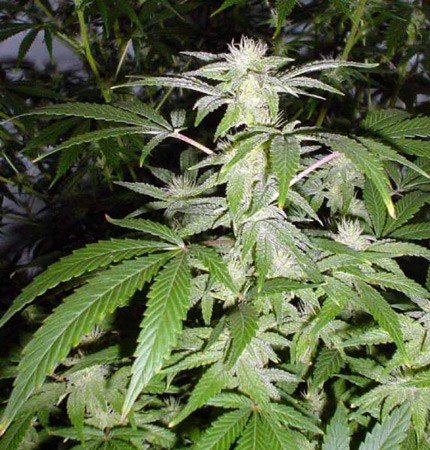

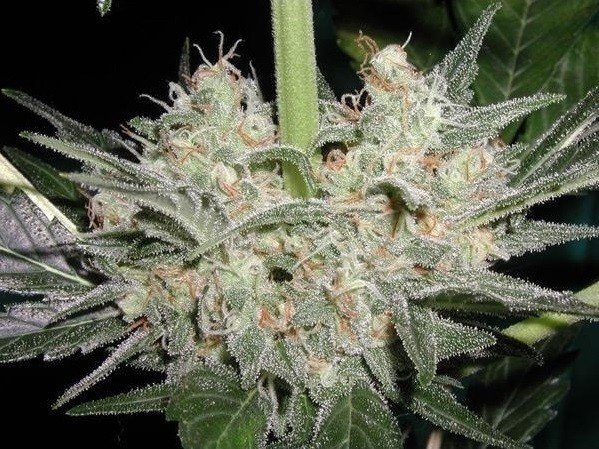
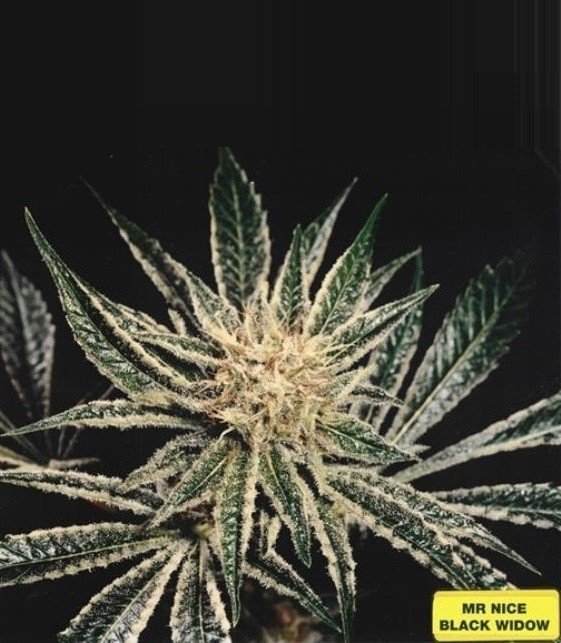
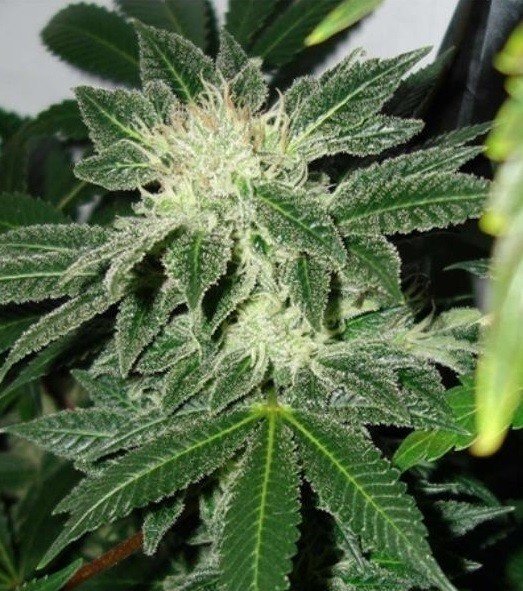





Black Widow photoperiod cannabis strain
Black Widow is a photoperiod strain bred from a Brazilian sativa and a South Indian Indica. Its indica/sativa balance isn’t clearly defined, and THC and CBD figures aren’t consistently available, so it’s best approached as a THC-led cultivar rather than a CBD-forward one. The effect profile is generally characterised as strong.
On paper, this is an easy-going grow with a 9–10 week flowering window, which suits growers who want a straightforward, mid-length turnaround. With some key metrics not pinned down, it pays to focus on controllables: environment, training, and a steady finish and cure.
Genetic background of Black Widow:

Black Widow comes from a classic Brazilian sativa x South Indian Indica cross. In broad terms, that pairing often aims to blend sativa-leaning vigour and lift with indica-style structure and weight, though individual phenotypes can lean either way. With no fixed indica/sativa ratio available, it’s most useful to treat the genetics as a balanced framework and let the plant’s growth and finished effect guide expectations.
Brazilian sativa:
Brazilian sativa lines are commonly associated with more energetic, clear-headed tendencies and a lighter, more expansive overall feel. In the grow, they can bring stretch and a preference for good light and airflow, especially through early flower.
South Indian Indica:
South Indian indica heritage is often linked to a more grounded, full-bodied character and denser flower structure. Growers also tend to see improved resilience and a calmer, easier-to-manage rhythm compared with more purely sativa-leaning plants.
Aroma and flavour of Black Widow:

Aroma and flavour details aren’t consistently available for Black Widow, so it’s best to expect some variation between phenotypes and depending on how the flowers are dried and cured. In practice, the most reliable approach is to judge it by the finished jar note rather than a fixed profile.
With no main terpenes specified either, planning comes down to process: slower drying, stable humidity, and a proper cure typically do more to preserve character than chasing a particular terpene story. If you prefer a predictable taste profile, this is one to sample first before committing to a larger run.
Potency And effects of Black Widow:

Black Widow is generally positioned as a strong strain, but THC and CBD percentages aren’t consistently available, so potency is best treated as variable and dose-dependent. A sensible expectation is that it can feel impactful even at moderate amounts, particularly for lower-tolerance users.
Start low and adjust slowly, paying attention to how set, setting, and consumption method change the experience. Taken in that context, “strong” is less about a single number and more about the overall intensity and duration many people look for in an evening-leaning session.
Recreational Uses:
- It can suit low-key downtime where you’re happy to keep plans simple and let the experience set the pace.
- Many people reserve stronger strains for later in the day, when productivity isn’t the priority.
- It can work well for experienced users looking for a more pronounced, immersive feel rather than a subtle lift.
Potential Side Effects:
- Dry mouth and dry eyes can occur, especially with higher doses.
- Dizziness or feeling “too high” is more likely if you overdo it or have a lower tolerance.
- Some people experience anxiety or restlessness with strong strains, so pacing matters.
Growing Black Widow:

Black Widow is rated as easy to grow and flowers in around 9–10 weeks, which makes planning straightforward for a photoperiod cycle. Outdoor yield is up to 400 g/plant, but other figures (including height and indoor yield) aren’t consistently available, so it’s best approached as a variable plant that you shape to your space with training and environment.
Growers can expect the biggest swing in results from canopy management, light intensity, and how stable the final weeks are. Keeping nutrition consistent and avoiding big fluctuations in temperature and humidity tends to support a cleaner finish.
Indoor growing tips:
Because indoor height isn’t reliably published, plan to manage structure early with topping and gentle LST if your tent height is limited. Maintain strong airflow through mid to late flower and keep the canopy even so light penetration is consistent. With a 9–10 week flowering window, many growers find a steady, uncomplicated feeding schedule and a tidy environment are the easiest route to predictable results.
Outdoor growing tips:
Outdoor height isn’t consistently available, so choose a spot that gives you flexibility: room to stake and spread branches if the plant runs taller, or to keep it compact with training if discretion matters. Aim for full sun, good airflow, and enough root space to support late-flower bulking. With outdoor yields up to 400 g/plant, the practical focus is on controllables—consistent watering, pest checks, and keeping moisture off dense flowers as harvest approaches.
Should You Try Black Widow?
Black Widow tends to suit growers who want an easy photoperiod run with a clear 9–10 week flowering window, and consumers who are comfortable with a stronger overall effect. It’s also a reasonable pick if you like classic genetics, helped by its Cannabis Cup (High Times) pedigree.
If you rely on precise cannabinoid numbers or you want a clearly defined terpene-led flavour profile, this one may feel less predictable than modern, heavily documented cultivars. Treat it as a strain to approach with sensible dosing and a grow plan built around training and a clean finish.
Black Widow Cannabis Strain FAQ:
Q: Is Black Widow an indica or sativa?
A: The indica/sativa balance isn’t clearly defined, but its genetics are a Brazilian sativa x South Indian Indica cross. In practice, phenotypes can present a mix of traits, so it’s best judged by how your specific plant grows and how the finished flower feels.
Q: How long does Black Widow take to flower?
A: Black Widow has a 9–10 week flowering time, which sits in a mid-length window and is usually straightforward to schedule in an indoor photoperiod setup.
Q: Is Black Widow beginner-friendly to grow?
A: It’s classed as easy, making it a workable option for newer growers. Where you may need to pay attention is plant structure—height figures aren’t consistently available—so basic training and good airflow are sensible best practice.
Grow your own Black Widow
- Grow difficulty
- Medium
- Flowering type
- Photoperiod
- Flowering time
- 9-10 weeks
- Height (indoor)
- Unknown
Lineage of Black Widow
Fold Unfold-
Black Widow
- South Indian
- Brazilian