



Grape Ape


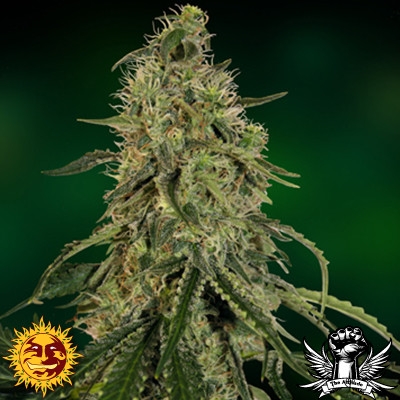
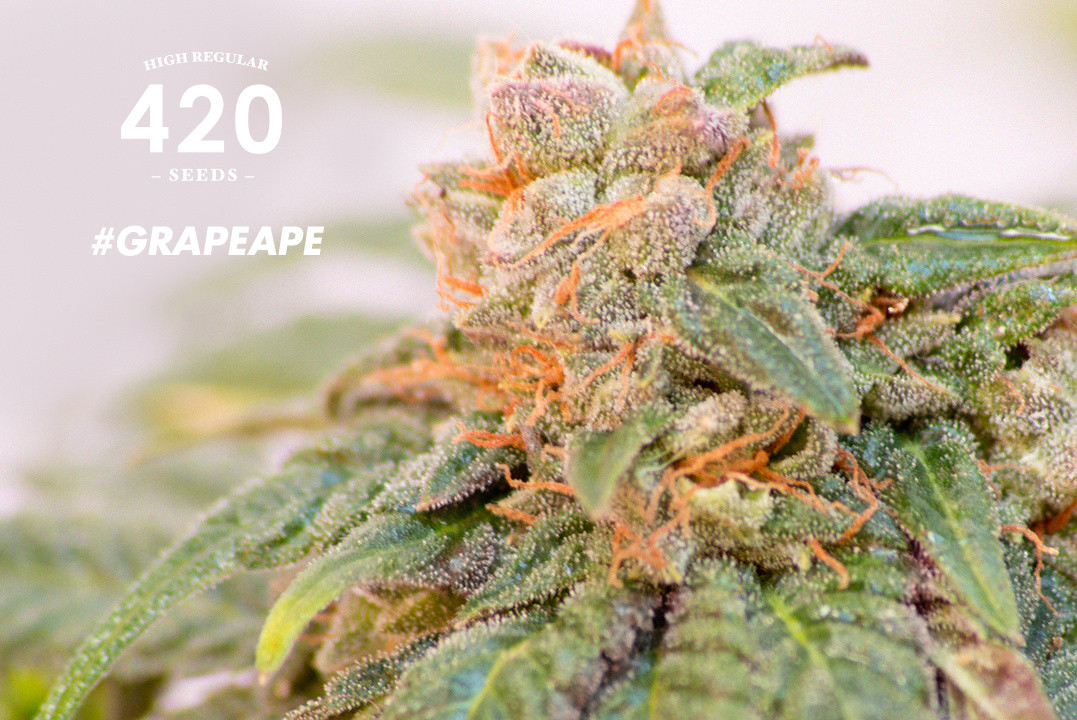
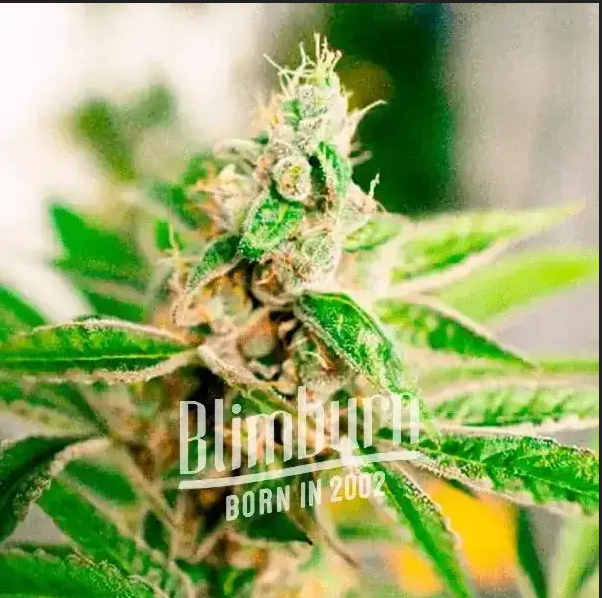


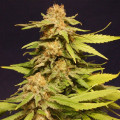
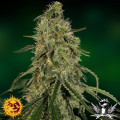
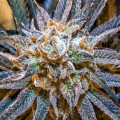
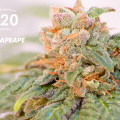
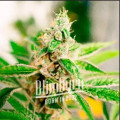
Grape Ape (photoperiod, indica-dominant hybrid with grape-leaning notes)
Grape Ape is a photoperiod strain built from Afghani x Mendocino Purps x Skunk 1, and it leans heavily indica at 90% indica / 10% sativa. THC sits at 20 with CBD kept low, so it’s best approached as a THC-led cultivar. Caryophyllene and myrcene underpin an earthy, berry, skunk-and-grape profile, with effects that typically read as relaxing, body-buzzing, sleepy, and appetite-raising.
On paper, this is a wind-down style strain with a short-to-mid flowering window of 8–9 weeks and a moderate overall difficulty. It tends to suit temperate conditions, and it generally rewards growers who keep structure tidy and prioritise a steady, low-stress routine from veg through to late flower.
Genetic background of Grape Ape:

Grape Ape combines three well-known building blocks: Afghani, Mendocino Purps, and Skunk 1. With a 90/10 indica–sativa balance, the most consistent expectation is a plant and experience that skew towards body-led calm rather than bright, racy stimulation. As with any multi-parent cross, phenotype and cultivation choices still influence how strongly those tendencies show up.
Afghani:
Afghani genetics are commonly linked with stout, indica-leaning structure and a heavier, more grounded effect profile. In flavour terms, they often bring earthy depth and a resin-forward character, which can also translate into dense flowers when conditions are stable.
Mendocino Purps:
Mendocino Purps is frequently associated with darker fruit notes and a “purple” aroma style that can read as grape-like, depending on phenotype and cure. It’s also often thought of as a calmer, evening-leaning influence, complementing Grape Ape’s sleepy and relaxing direction.
Skunk 1:
Skunk 1 is widely used for its pungency and its ability to add lift and edge to aroma. It can contribute a sharper, “skunky” backbone that keeps sweeter fruit notes from feeling one-dimensional, and it may also add a touch of vigour in the garden.
Aroma and flavour of Grape Ape:

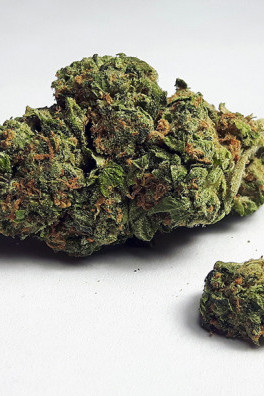
Expect a mix of earthy base notes with berry and grape sweetness, finished with a definite skunk edge. Caryophyllene often reads as peppery and warm, while myrcene commonly leans musky and herbal; together, they fit neatly with Grape Ape’s earthy-fruit profile. In practice, the grape character tends to come through most clearly after a careful dry and cure.
Potency and effects of Grape Ape:

With THC at 20 and CBD kept low, Grape Ape usually lands as a stronger, THC-forward option rather than a balanced cannabinoid strain. The core effects tend to cluster around relaxation, a body-buzz, sleepiness, and munchies. Individual response is still dose-dependent and varies with tolerance, setting, and timing, so it’s often easiest to treat this as an evening-leaning choice and adjust slowly to find a comfortable level.
Recreational uses:
- It often suits low-key evenings where you want to switch off, such as watching a film or winding down with music.
- Many people prefer it for staying at home when a heavier, body-led feel is the goal rather than an active social buzz.
- Given the sleepy tendency, it’s commonly kept for later hours rather than daytime plans that need focus and energy.
Potential side effects:
- Dry mouth and dry eyes can occur, particularly at higher doses or in warm, low-humidity settings.
- Drowsiness can be pronounced, so it’s not an ideal match for situations where you need to stay alert.
- Some people find stronger THC strains can feel overwhelming if they overdo it, especially with low tolerance.
Growing Grape Ape:

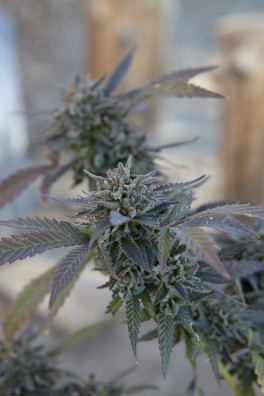
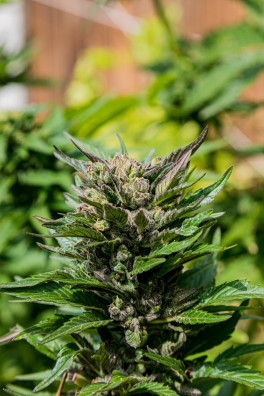
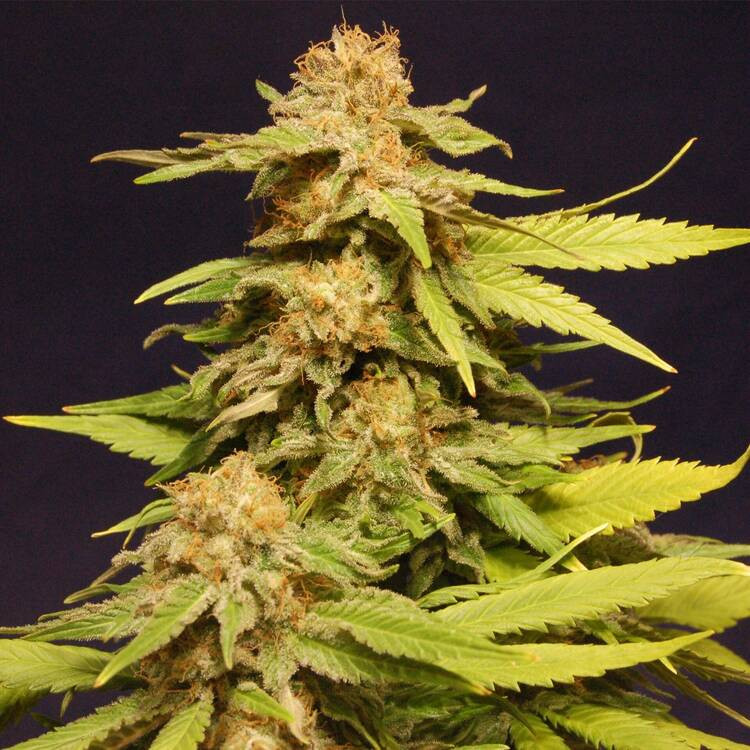
Grape Ape is generally considered moderate in difficulty and is typically a good fit for temperate environments. Flowering runs 8–9 weeks, which makes planning straightforward for growers who like a predictable turnaround. Indoors, plants reach around 100cm and can produce up to 500 g/m²; outdoors, they can stretch to roughly 190cm with up to 600 g/plant, with the biggest swing usually coming from light levels, root space, and how consistently you manage canopy and airflow.
Indoor growing tips:
With an indoor height around 100cm, this is usually manageable in tents, but structure still benefits from early training if you want an even canopy. A typical approach is topping once established, then using gentle LST to open up sites and keep humidity in check through late flower. Because flowering is 8–9 weeks, focus on steady feeding and strong airflow rather than chasing quick finishes; aroma can build sharply, so odour control is often worthwhile.
Outdoor growing tips:
Outdoors, expect a taller plant in the region of 190cm in suitable conditions, so give it room and plan support before flowers gain weight. In a temperate climate, prioritise full sun, good spacing, and proactive airflow to reduce late-season moisture issues. If you’re aiming towards the upper end of up to 600 g/plant, the controllables matter most: larger root volume, consistent watering, and a calm, pest-aware routine.
Should you try Grape Ape?
Grape Ape tends to suit people who like earthy, berry-and-grape flavours paired with a heavier, more sedating effect profile. It can also be a sensible pick for growers who want a moderate challenge with an 8–9 week flowering time and a plant that stays fairly compact indoors. If you strongly prefer uplifting, daytime-leaning effects, or you’re sensitive to sleepiness and appetite shifts, it may be better approached cautiously or saved for later hours.
Grape Ape cannabis strain FAQ:
Q: Is Grape Ape indica or sativa?
A: It’s a strongly indica-leaning hybrid at 90% indica / 10% sativa, so the overall character usually tilts towards body-led relaxation rather than energetic stimulation.
Q: How long does Grape Ape take to flower?
A: Flowering typically runs 8–9 weeks indoors, although exact timing can still shift a little with phenotype, temperature, and how you manage light intensity and feeding.
Q: What does Grape Ape taste and smell like?
A: The profile is commonly earthy, berry, skunk, and grape, with caryophyllene and myrcene supporting a warm, musky depth. A slower, cleaner cure often helps the fruit notes come through more clearly.
Grow your own Grape Ape
- Grow difficulty
- Medium
- Flowering type
- Photoperiod
- Flowering time
- 8-9 weeks