




Pink Hokkaido
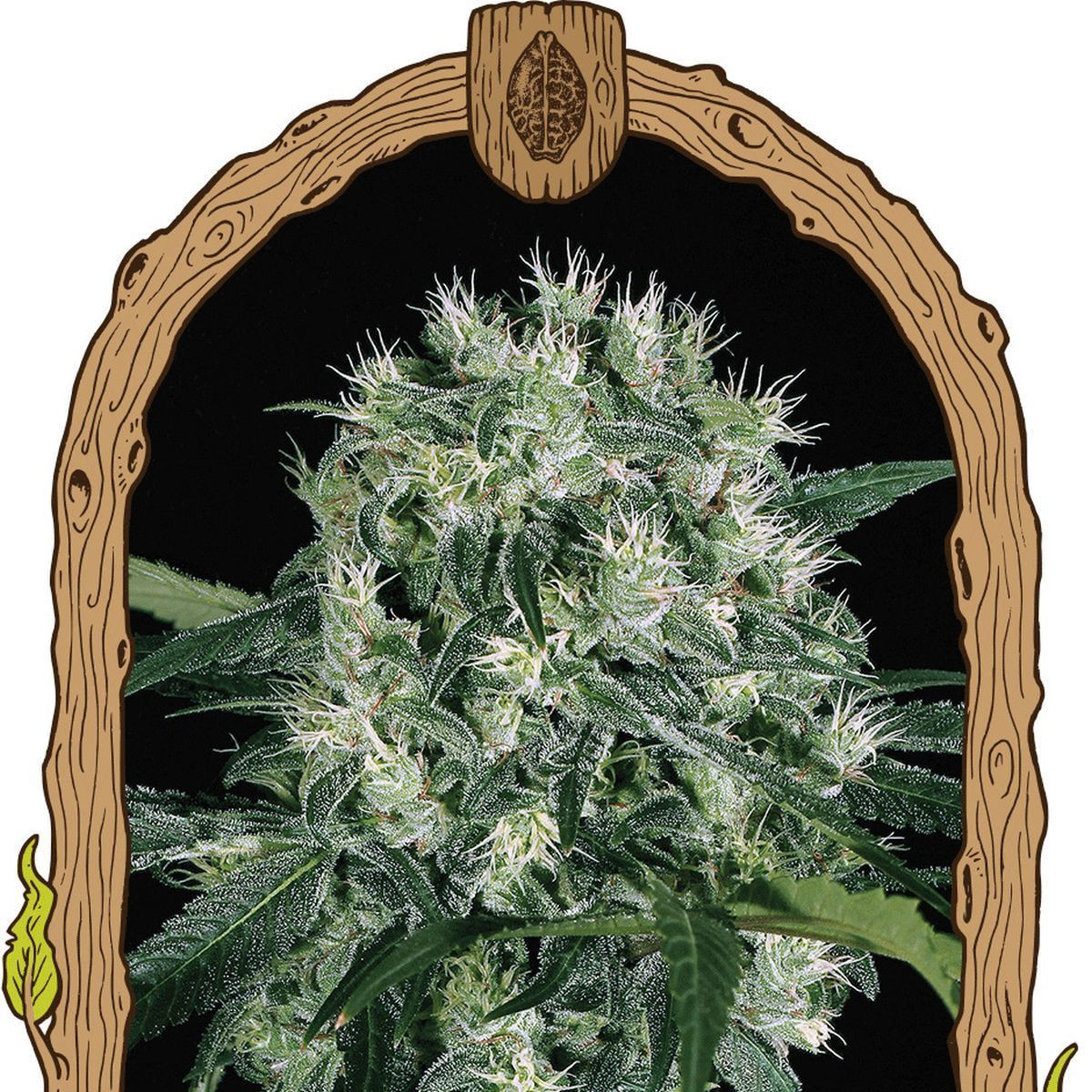
Pink Hokkaido photoperiod hybrid with citrus-diesel character
Pink Hokkaido is a photoperiod hybrid built from (Animal mints bx1 #3 x Seedjunky OG #32) x Nicole x Larry S1, landing at a balanced 50% indica / 50% sativa. Potency is classed as very high THC, while CBD figures are unknown, so it’s best treated as a THC-led strain rather than a CBD-forward one. Expect a citrus, diesel and sour profile, with myrcene and limonene shaping much of the aroma and flavour, alongside effects that tend to combine relaxing weight with a cerebral, energetic edge and a body-buzz.
On paper, this reads like a “clear head, settled body” cultivar that can shift with dose and timing. Flowering sits at 9–10 weeks, and the overall growing difficulty is moderate, with a temperate lean and a Mediterranean-style preference for steady warmth, light and airflow.
Genetic background of Pink Hokkaido:
Pink Hokkaido combines a modern dessert-and-gas lineage with classic OG structure through (Animal mints bx1 #3 x Seedjunky OG #32), then layers in Nicole and finishes with Larry S1. That 50/50 split typically suggests a middle-ground experience: enough uplift and mental activity for daytime in lighter doses, with a more grounded, physical finish as intensity increases.
(Animal mints bx1 #3 x Seedjunky OG #32):
This side of the family is commonly associated with dense resin production and a sharp “minty-gas” or dessert-meets-fuel aromatic direction, often alongside strong potency. In gardens, growers often see sturdy branching that responds well to training when kept in a stable environment.
Nicole:
Nicole is generally linked to a sweeter, sometimes citrus-leaning aromatic contribution with a rounded, calming influence. It can also bring a slightly softer edge to the overall profile, helping balance brighter top notes against deeper fuel and earth tones.
Larry S1:
Larry genetics are typically tied to OG-style punch: crisp, gassy intensity and a firm, relaxing backbone. As an S1 line, variation can show up between phenotypes, so selection and consistent cultivation practices matter if you’re chasing a specific expression.
Aroma and flavour of Pink Hokkaido:
Aroma and flavour here run in the same lane: citrus upfront, followed by diesel and a sour, mouth-watering finish. Limonene often reads as zest, peel and bright lift, while myrcene can add a deeper, musky weight that makes the fuel note feel fuller rather than sharp. As with many terpene-driven cultivars, the cleanest expression usually comes down to controllables—drying pace, cure time, and keeping temperatures reasonable late in flower.
Potency And effects of Pink Hokkaido:
With THC classed as very high, Pink Hokkaido is best approached with a measured dose, especially for lower tolerance. The effect set tends to blend cerebral stimulation and energetic momentum with a relaxing undercurrent and a noticeable body-buzz; the exact balance can swing by phenotype and how much you consume. In practice, it often feels like a hybrid that can start bright and chatty, then settle into a calmer, more physical rhythm as it develops.
Recreational Uses:
- It can suit social settings where you want a lively, engaged headspace without losing the option to unwind later.
- Many people reach for this kind of profile for creative tasks or music-led evenings, where a cerebral lift pairs well with a relaxed body feel.
- It tends to fit low-key activity—short walks, light chores, or a film—where energy and comfort can overlap depending on dose.
Potential Side Effects:
- Dry mouth and dry eyes are common with THC-forward strains, particularly at higher doses.
- Dizziness or feeling “too high” can show up if you overdo it, so pacing is sensible.
- Some users experience anxious or racy moments with more stimulating hybrids, especially if tolerance is low.
Growing Pink Hokkaido:
Pink Hokkaido is generally a moderate grow, favouring temperate conditions and a Mediterranean-style approach: steady light, good airflow, and avoiding big swings in temperature or humidity. Flowering takes 9–10 weeks, and indoor yields can reach up to 450 g/m² when the canopy is managed well. Height isn’t reliably published for indoor or outdoor runs, so plan to control structure with topping, LST, and thoughtful veg time if you need a tighter footprint.
Indoor Growing Tips:
Focus on building an even canopy early, then keep airflow strong through late flower to protect density and terpene clarity. With a 9–10 week flowering window, a sensible approach is to dial in feeding gradually and avoid heavy late-stage pushes that can blunt flavour. Because the plant’s final size can vary, train branches into the light rather than letting a single main spear dominate.
Outdoor Growing Tips:
In temperate climates, pick the sunniest, most sheltered spot you can and prioritise airflow—spacing and selective defoliation help when plants bulk up. Outdoor yield is best treated as medium and can swing with season length and weather, so focus on controllables: root space, consistent watering, and mould prevention. If nights run cool or damp, staying ahead of humidity is often the difference between an easy finish and a stressful one.
Should You Try Pink Hokkaido?
Pink Hokkaido tends to suit people who enjoy citrus-and-fuel flavours and want a hybrid that can feel both cerebral and physically relaxing. It can also be a good fit for growers who are comfortable with moderate difficulty and are willing to train plants rather than relying on fixed height expectations. Those who prefer lower-intensity THC or who specifically want a CBD-forward option may find it less suitable, given the very high THC positioning and the unknown CBD content.
Pink Hokkaido Cannabis Strain FAQ:
Q: Is Pink Hokkaido indica or sativa?
A: It’s a balanced hybrid at 50% indica / 50% sativa, so the experience often lands between mental lift and body relaxation rather than leaning strongly one way.
Q: How long does Pink Hokkaido take to flower?
A: Expect a 9–10 week flowering period indoors, with the exact finish time influenced by phenotype, lighting intensity, and how you manage feeding and stress late in flower.
Q: What does Pink Hokkaido taste and smell like?
A: The core profile is citrus, diesel and sour, with limonene and myrcene likely contributing bright zest on top of a heavier, musky fuel note. Cure and drying conditions can noticeably shift how prominent each note becomes.
Grow your own Pink Hokkaido
- Grow difficulty
- Medium
- Flowering type
- Photoperiod
- Flowering time
- 9-10 weeks
- Yield (indoor)
- Medium
- Yield (outdoor)
- Medium
- Height (indoor)
- Medium
- Height (outdoor)
- Medium