



Kosher Kush

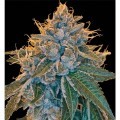
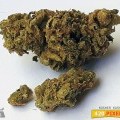
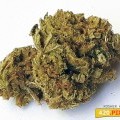
Kosher Kush photoperiod indica with high THC and a myrcene–pinene profile
Kosher Kush is a photoperiod, indica-leaning strain with THC at 27% and low CBD. Its main terpenes are myrcene and pinene, which fits neatly with an earthy, citrus, pine and woody aroma and flavour. The overall tone tends towards relaxing, euphoric effects, often with a noticeable body-buzz and a classic case of the munchies.
On paper, this is a potency-forward indica that leans into calm, end-of-day territory rather than a clear-headed, all-day pace. Flowering sits at 8–9 weeks, with a moderate difficulty level and a preference for temperate conditions, so it typically suits growers who can keep the basics steady: light, airflow, and consistent feeding.
Genetic background of Kosher Kush:

Kosher Kush sits firmly in the indica camp, so the experience is usually weighted towards body-led relaxation and a slower, heavier finish than you’d expect from a more balanced hybrid. Specific parentage and wider genetic lineage aren’t consistently published, so it’s best approached by how it behaves in practice: a THC-led, evening-leaning profile with flavours that stay grounded and resin-forward.
Aroma and flavour of Kosher Kush:

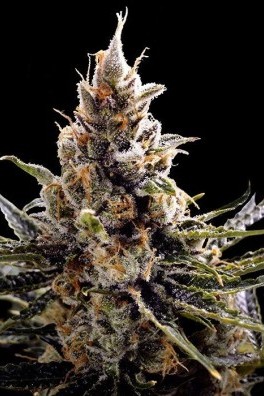
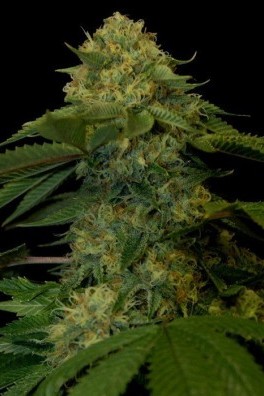
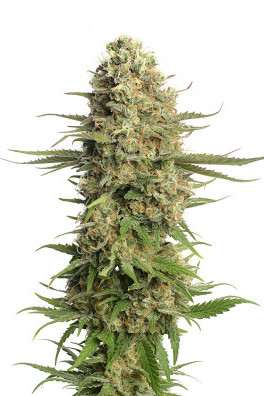
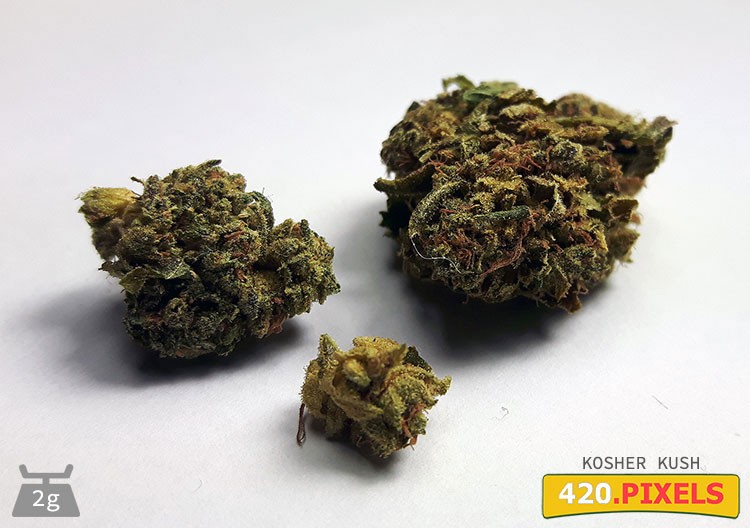
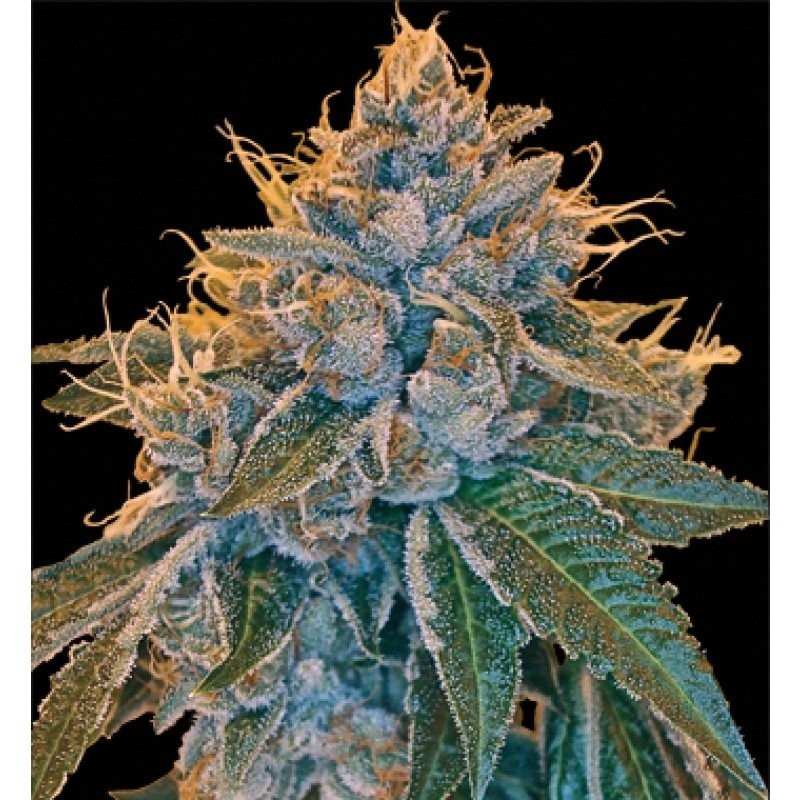
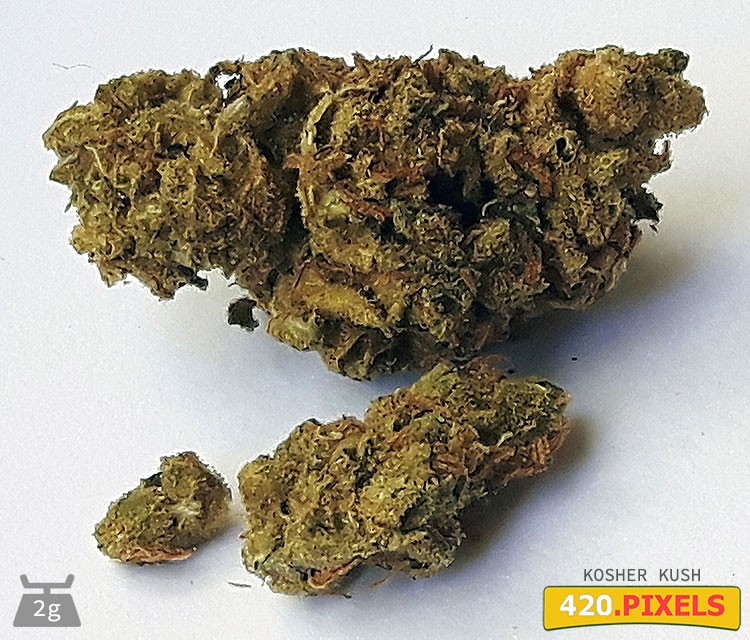
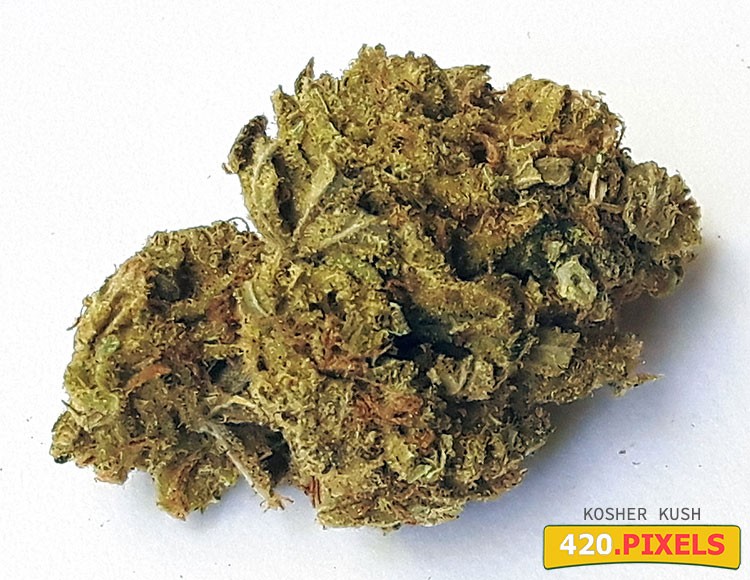
The dominant impression is earthy and woody, lifted by citrus brightness and a clear pine edge. Myrcene often underpins that deeper, musky “soil and spice” character, while pinene helps explain the sharper, forest-like top notes that can come through on the nose and exhale. As with most terpene-driven profiles, the final balance can swing with phenotype and cure, so expect the same core palette but slightly different emphasis from one batch to the next.
Potency And effects of Kosher Kush:

With THC at 27% and low CBD, Kosher Kush is best treated as a strong, THC-led option. Effects commonly land as relaxing and euphoric, with a warm body-buzz that can feel fairly enveloping; for many people that also brings an uptick in appetite. Individual tolerance, dose size, and setting make a real difference here, so a sensible approach is to start modestly and see where the curve sits for you.
Recreational uses:
- It often suits low-key evenings where you want to unwind, put music on, or switch off without needing to stay productive.
- Many people pair it with films, games, or relaxed social time, where a euphoric lift and body-heavy calm feel appropriate.
- It can be a comfortable choice when you’re planning to eat afterwards, given its association with munchies.
Potential side effects:
- Dry mouth and dry eyes are common, especially with higher doses.
- Dizziness or feeling a bit too heavy can happen if you overshoot your usual tolerance.
- Some people find strong THC strains can feel mentally intense in the wrong setting, so pacing and environment matter.
Growing Kosher Kush:

Kosher Kush is typically classed as moderate to grow and tends to perform best in temperate conditions. Flowering time is 8–9 weeks, offering a fairly predictable indoor turnaround. Indoor yield is given as up to 650 g/m²; plant height isn’t consistently published, so plan to actively manage structure with topping, LST, and timely defoliation if you need to keep the canopy tight and even.
Indoor growing tips:
A consistent environment is the main lever with Kosher Kush: stable temperatures, good airflow, and sensible humidity control help support resin production and reduce late-flower issues. Because height guidance is unclear, training early in veg is a practical hedge, keeping tops level and light distribution efficient across the canopy. In flower, keep feeding changes gradual and give the plants enough time to finish within the 8–9 week window without rushing harvest.
Outdoor growing tips:
In a temperate outdoor season, focus on site fundamentals: full sun, plenty of root space, and steady airflow through the plant. Light training and selective pruning can also help keep buds exposed and reduce the risk of mould as the plant densifies.
Should You Try Kosher Kush?
Kosher Kush tends to suit people who enjoy earthy, pine-leaning flavours and are specifically looking for a relaxing, euphoric, body-led experience. It also makes sense for growers who can handle a moderate run and want a photoperiod with an 8–9 week flowering window. If you prefer lower-THC strains, want something CBD-forward, or need a reliably light, daytime effect, this profile may feel heavier than ideal.
Kosher Kush cannabis strain FAQ:
Q: Is Kosher Kush more indica or sativa?
A: Kosher Kush is classed as an indica, so it typically leans towards relaxing, body-led effects rather than an energetic, sativa-style lift.
Q: How strong is Kosher Kush?
A: It’s a high-THC strain at 27% with low CBD, so it’s best approached as potency-forward, especially if your tolerance is lower.
Q: What does Kosher Kush taste and smell like?
A: Expect earthy and woody notes with citrus and pine. Myrcene and pinene are the main terpenes, which fits that grounded base with a sharper, forest-like edge.
Grow your own Kosher Kush
- Grow difficulty
- Medium
- Flowering type
- Photoperiod
- Flowering time
- 8-9 weeks
- Yield (outdoor)
- Unknown
- Height (indoor)
- Unknown
- Height (outdoor)
- Medium