




Afghan Kush
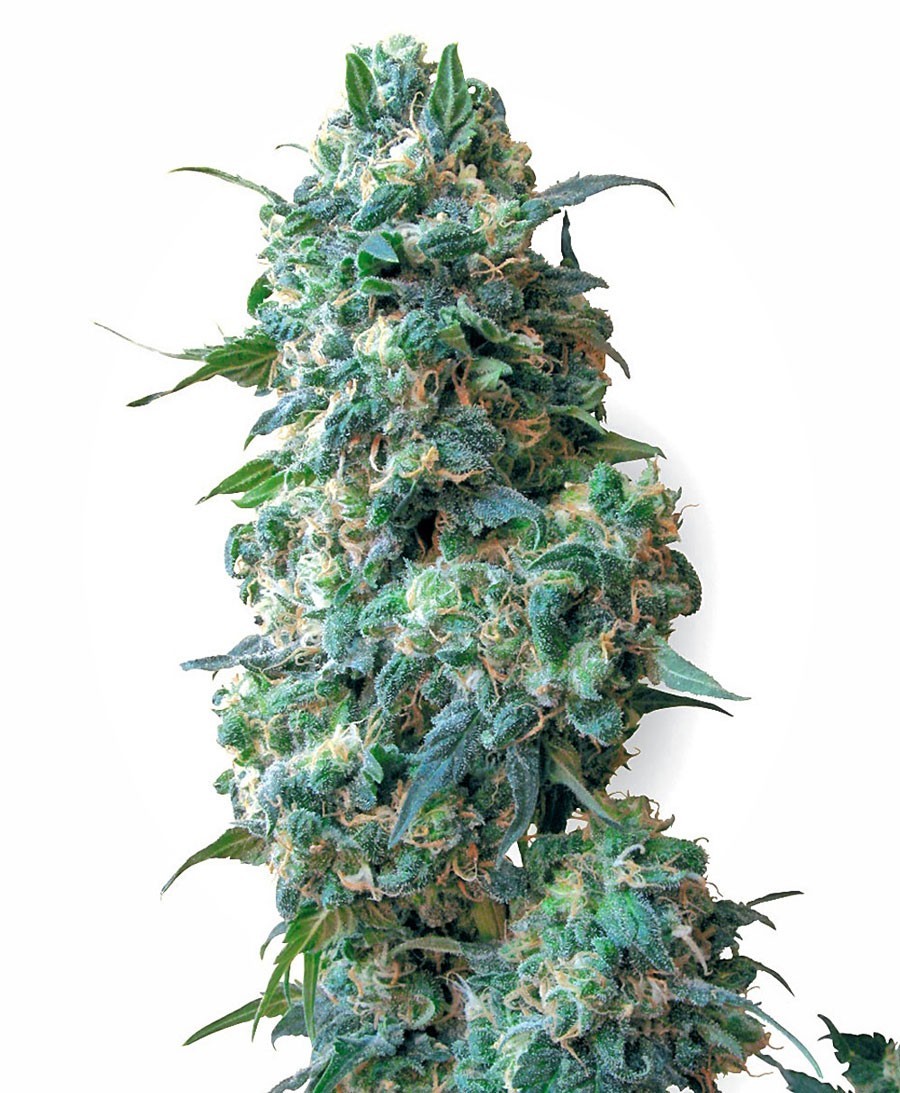
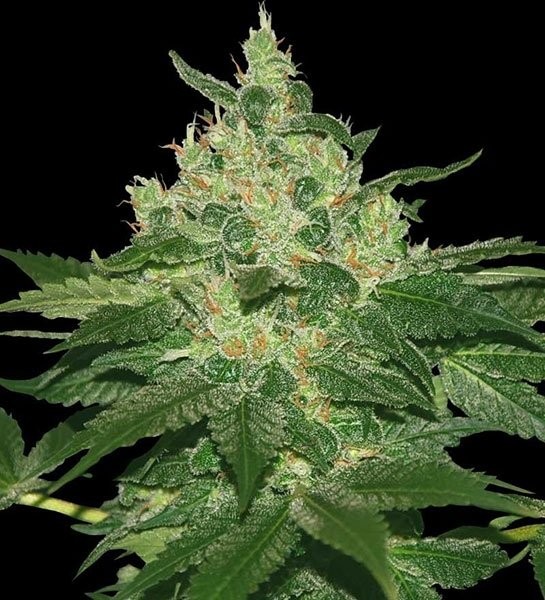
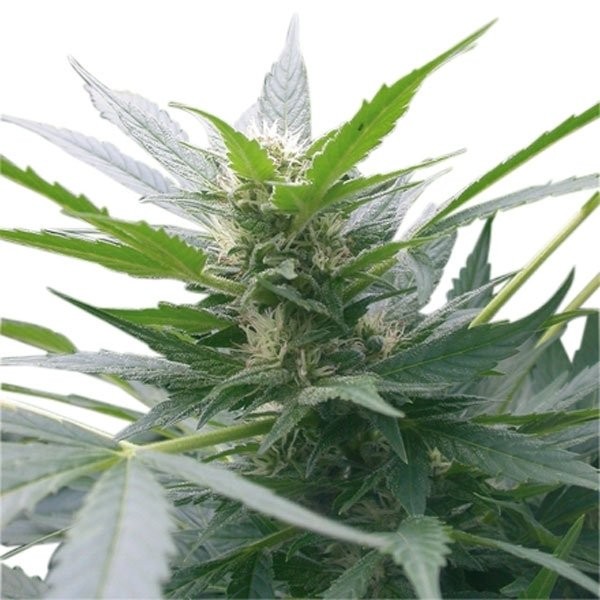
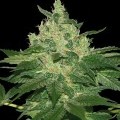
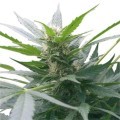
Afghan Kush photoperiod, pure Afghan 100% indica
Afghan Kush is a photoperiod strain with pure Afghan genetics and a fully indica-leaning profile. THC sits at 20, while CBD figures aren’t consistently available, so it’s best treated as a THC-led strain rather than a CBD-forward one. Aroma and flavour stay firmly in the earthy, hashish lane, with myrcene leading the terpene profile and effects that skew relaxing and narcotic.
On paper, this is a straightforward, evening-leaning cultivar with an easy overall growing profile and an 8–9 week flowering window. It tends to suit growers who want a classic, no-fuss indica structure and a traditional hash-style finish, with results still shaped by phenotype choice, environment, and how the flower is dried and cured.
Genetic background of Afghan Kush:

Afghan Kush comes from pure Afghan parentage, keeping the lineage tightly focused rather than hybridised. With 100% indica genetics, the overall pattern typically points towards heavier body-led effects, broader leaves, and a growth habit that’s often easier to manage than more stretchy, sativa-leaning plants.
Pure Afghan:
Pure Afghan lines are commonly associated with resin-forward, hash-leaning character and a grounded, earthy palate. In the grow room, they’re often approached as dependable plants that respond well to steady conditions and simple training, rather than needing constant intervention to stay in shape.
Aroma and flavour of Afghan Kush:

The dominant sensory profile here is earthy and hashish, with a dense, old-school richness rather than bright fruit or sharp fuel. Expect a deeper, soil-and-spice kind of base note, with the “hash” element showing up most clearly on the exhale and in the lingering aftertaste.
Myrcene as the main terpene fits that direction well, as it’s frequently linked with musky, herbal, sometimes clove-like tones. The final expression can still shift with phenotype and cure, so a slow dry and a patient cure are usually the simplest way to keep the flavour rounded rather than flat.
Potency and effects of Afghan Kush:

With THC at 20, Afghan Kush tends to land in the clearly potent bracket for many people. CBD isn’t consistently available, so the experience is best approached as primarily THC-driven, with effects that can feel stronger or softer depending on dose, tolerance, and setting.
In practice, the headline is relaxation with a narcotic edge, often suiting slower pace and reduced mental “noise” rather than busy, social energy. Taking it steady matters with strains in this lane, as heavier indicas can tip from calm to overly sedating more quickly than expected.
Recreational uses:
- It can fit low-key evenings where you want to unwind and keep plans minimal.
- Many people prefer this style for quiet activities like films, music, or switching off after work.
- It often suits staying in rather than heading out, especially once the heavier side starts to build.
Potential side effects:
- Dry mouth and dry eyes are fairly common with THC-led strains.
- At higher doses, some people find it becomes overly sedating or mentally foggy.
- Occasionally, THC can feel uncomfortable for sensitive users, particularly if consumed quickly.
Growing Afghan Kush:

Afghan Kush is generally considered easy to grow and follows a classic photoperiod cycle, with an 8–9 week flowering time that’s workable for most home setups. Outdoor yield is up to 800 g/plant, though real-world outcomes depend heavily on season length, sun hours, and how well the plant is sheltered from persistent damp and cold nights.
Indoor and outdoor height figures aren’t consistently available, so plan to control structure with topping, LST, and sensible veg times if you need a tighter canopy. A steady approach tends to work best: stable temperatures, good airflow through the canopy, and enough root space to support dense flowering without pushing feeding aggressively.
Indoor growing tips:
Aim for consistent environment control and keep airflow moving around the lower canopy to reduce stale pockets as flowers thicken. Because height is variable, train early and keep a level canopy to make light use efficient. During late flower, focus on humidity management and avoid overwatering, as dense indica buds generally do better when the medium is allowed to breathe between irrigations.
Outdoor growing tips:
Choose the sunniest, most open spot you can, prioritising airflow and a position that dries quickly after rain. Outdoor yields can be strong in the right conditions, but the main controllables are root volume, steady feeding, and staying ahead of mould risk with pruning and spacing. If nights get cool or wet in your climate, a simple shelter and proactive inspection can make the finish far more reliable.
Should you try Afghan Kush?
Afghan Kush makes sense if you’re looking for a traditional, earthy hashish profile and effects that lean clearly relaxing rather than uplifting. It can also suit growers who want an easy photoperiod indica with a manageable 8–9 week flowering window and straightforward day-to-day care.
It may be less appealing if you prefer bright, energetic effects or a terpene profile that runs fruity or sharp. Anyone sensitive to THC should treat a 20 THC level with respect, start low, and keep the setting calm to avoid the experience becoming heavier than intended.
Grow your own Afghan Kush
- Grow difficulty
- Easy
- Flowering type
- Photoperiod
- Flowering time
- 8-9 weeks
- Height (indoor)
- Unknown
- Height (outdoor)
- Unknown